Posts

How to Caulk a Bathtub?
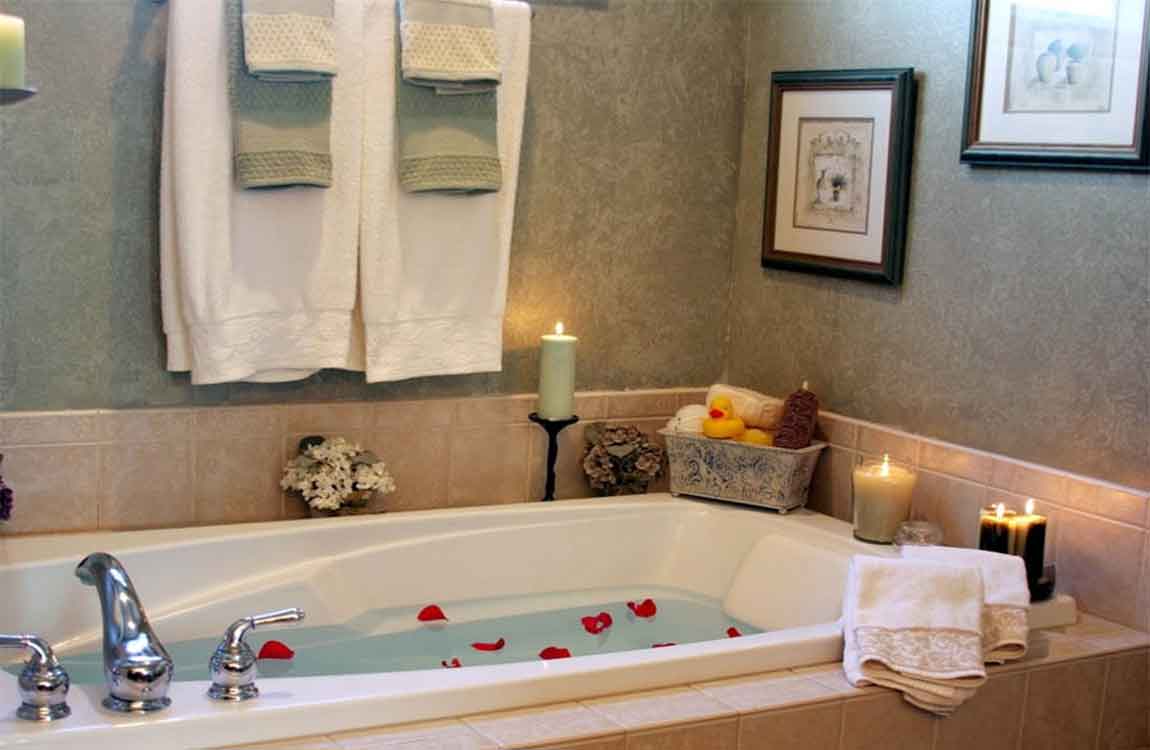

Bathtubs require precise caulking to prevent water from seeping into the walls, which could cause serious damage. If the caulk around your bathtub is cracking, old, or just in need of an update, applying new caulk yourself is easy to do with a few tools from your local hardware store. Remove the existing caulk first, before setting a smooth, new layer to seal the seams for years to come.

Apply the caulk to the seam. Use a steady pressure on the application gun to carefully apply the caulk in the gap between the 2 strips of painter’s tape. Move the gun smoothly around the entire edge. It doesn’t matter if caulk gets on the tape, as you can easily peel this off after.

Keep the application gun moving at a steady rate that matches the speed of the caulk leaving the nozzle. This will ensure that the caulk isn’t too thin or thick. You can either pull the gun towards you or push it away from you as you apply the caulk. It works the same either way, so stick with what is comfortable.

Smooth the caulk to form a concave shape. Dampen either a paper towel or a lint-free rag. Press it softly into the seam using your finger, and carefully run it along the caulk in one continuous line. Remove the painter’s tape. Peel away all of the strips of painter’s tape from around the bathtub.

This will remove any excess caulk and create a nice, straight line along the seam. Try and work as quickly as possible to remove the tape, as you also have to smooth the caulk again. Be as careful as possible when removing the tape, and try not to let it touch the caulk seam.
How Designing the Bathroom Layout?

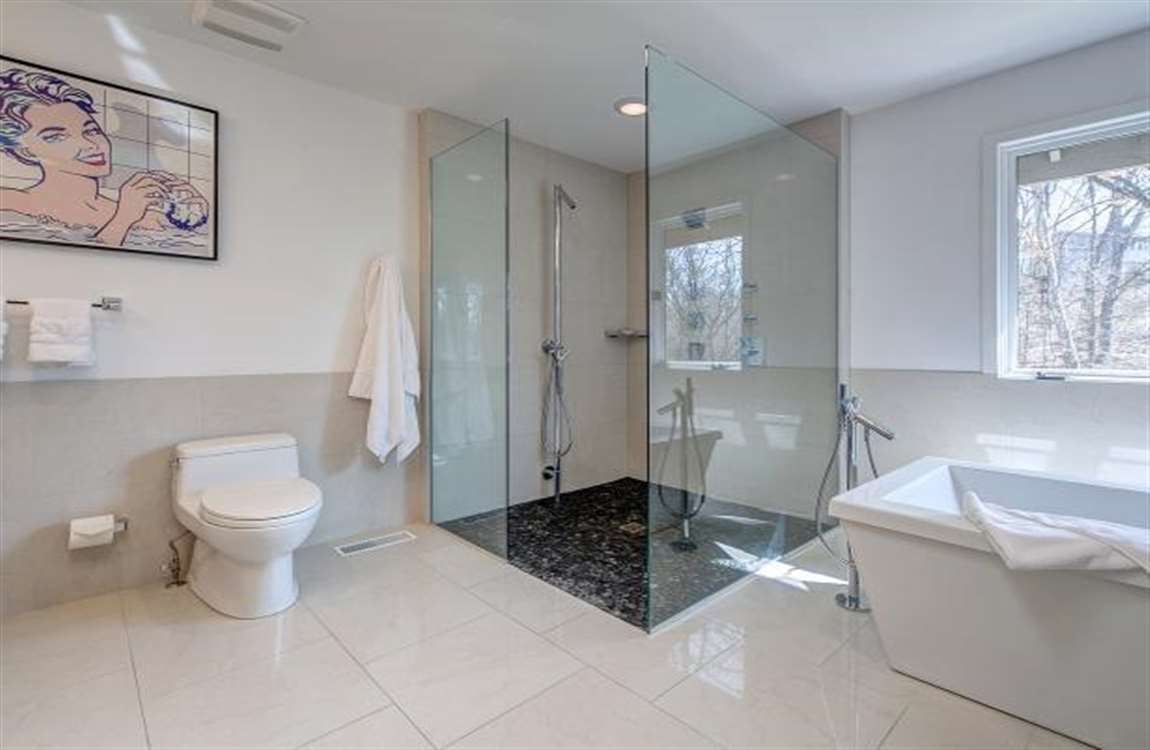
Measure the area of your bathroom with a tape measure. Find the lengths and widths of your bathroom walls so you know how much area you have to work with. Check the size of your vanity and bathtub as well so you know what sizes to look for while you’re shopping. If you don’t plan on expanding your bathroom, make sure you look for fixtures that are close to the same size as your existing ones.

Draw plans on a piece of graph paper to get ideas for what to do with the space. Have 1 square on the graph paper equal 1 sq ft (0.093 m2) so you can draw your bathroom to scale. Draw in any fixtures you want to add or replace so you can see how they would fit in your room. Make multiple copies so you can try out different designs so you know what you like best.

Consider what you’ll need in your bathroom in the future. For example, if you plan on raising a family within the next 5-10 years, you may want to have a bathtub instead of just a shower stall. Tip: Look online for free software for interior design, such as SketchUp or RoomSketcher, so you can design on your computer.

Locate where your water lines and electrical outlets are. Note on your design plans where your current plumbing and wiring lead. To avoid spending more money, keep the wires and pipes where they are and make your design around them. If you need to redirect any electricity or water, you will need to hire a professional to work during your renovation. Hiring an electrician or plumber can cost around $200-$300 USD an hour.

Pick a fixture to use as the focal point to design around. Choose at least 1 fixture that you know you want in your bathroom, such as a pedestal sink, handcrafted vanity, or claw-foot tub. When you choose the rest of your fixtures, make sure they match the color and style of the first piece so your room looks cohesive. Don’t pick multiple fixtures with different designs or your bathroom may feel cluttered and eclectic.